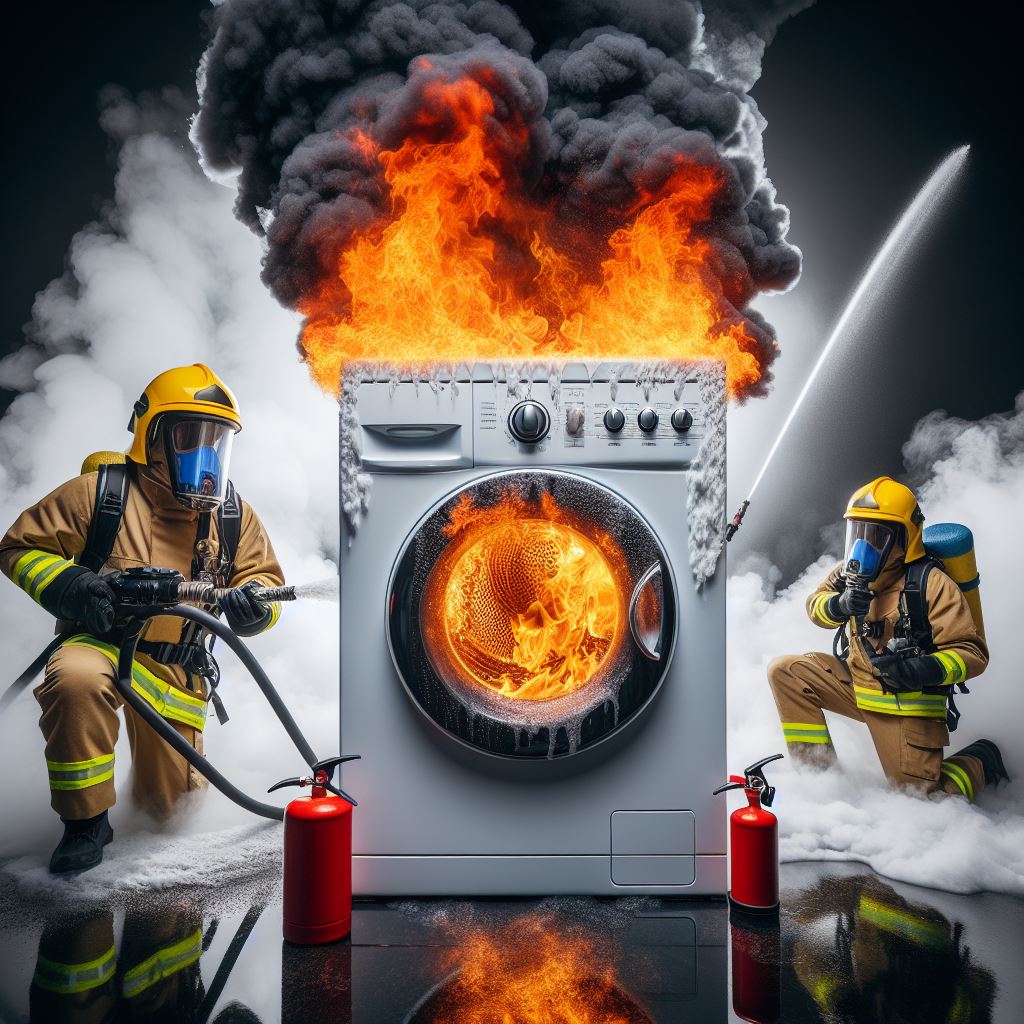
In the whirlwind of our daily routines, the potential dangers lurking within our appliances often go unnoticed. Yet, dryer fires, though not as commonly discussed, pose a significant threat to homes. Understanding how these fires start is crucial in safeguarding against potential hazards. Let’s uncover the ignition points and explore preventive measures to avert the risk of dryer fires.
The Ignition Sequence:
Lint Buildup:
The accumulation of lint ranks as the primary culprit behind dryer fires. As clothes tumble and dry, lint—those tiny fibers, hair, and debris—detach and collect within the lint trap and dryer vent. When neglected, this buildup restricts airflow, causing heat to accumulate within the dryer.
Highly Flammable Material:
Lint, composed of fabric fibers and other combustible particles, holds an inherent flammability. The combination of oxygen-rich air, heat, and the presence of these highly flammable materials within the dryer creates an environment ripe for combustion.
Ignition Sources:
A range of ignition sources can trigger a dryer fire. These can include malfunctioning heating elements, electrical issues, friction between clothing items, or sparks generated by foreign objects accidentally left in pockets, like coins or metal items.
Preventive Measures:
Regular Lint Trap Cleaning:
Cleaning the lint trap after each drying cycle is paramount. This simple yet effective practice ensures proper airflow and prevents lint buildup, significantly reducing fire risks.
Periodic Vent Cleaning:
Regularly inspect and clean the dryer vent. Over time, lint can accumulate within the vent, impeding airflow and creating a potential fire hazard. Use vent brushes or seek professional cleaning services annually to maintain clear pathways.
Avoid Overloading:
Resist the temptation to overload the dryer. Overloading restricts airflow, causing clothes to clump together, prolonging drying times, and increasing the chances of lint accumulation.
Maintenance Checks:
Schedule routine maintenance checks for your dryer. Ensure that heating elements, thermostats, and sensors are functioning correctly. If you notice any irregularities, seek professional repairs promptly.
Safe Practices:
Check clothing items for foreign objects before drying. Remove any items that could pose a fire risk, such as lighters, pens, or metal objects, from pockets before starting the drying cycle.
Ventilation:
Ensure proper ventilation in the laundry area. Adequate ventilation helps dissipate heat and reduces the risk of fire.
Conclusion:
Dryer fires, stemming from the ignition of lint buildup and various potential sources, underscore the importance of diligent maintenance and awareness. By adopting simple preventive measures—regularly cleaning lint traps and vents, avoiding overloading, conducting maintenance checks, and practicing safe habits—you significantly mitigate the risk of dryer fires. Prioritizing these precautions not only safeguards your home and loved ones but also ensures that your laundry routine remains safe and worry-free.