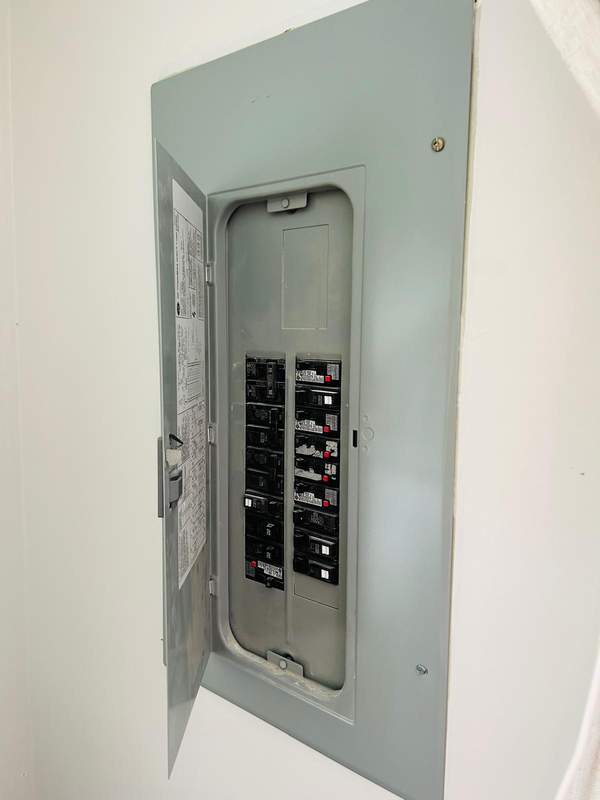
Electrical systems are the backbone of any home, yet they often go unnoticed until a problem arises. Failing circuits can be more than just an inconvenience; they may signal deeper, more complex issues within a property’s electrical system. Understanding these signals is crucial for homeowners and potential buyers to ensure the safety and efficiency of their electrical infrastructure.
Identifying Warning Signs
Electrical issues are not always immediately visible. However, there are several warning signs that indicate potential problems with circuits:
- Frequent Circuit Breaker Trips: Regular tripping of circuit breakers can indicate overloaded circuits or faulty wiring.
- Flickering Lights: This may be a sign of loose connections or voltage fluctuations.
- Burning Smell or Discoloration: This could suggest overheating components or a short circuit, which requires immediate attention.
Homeowners should take these signs seriously as they can lead to more severe issues if ignored.
Understanding Electrical Load Capacity
Every home has a specific electrical load capacity, determined by the capacity of the main service panel. It is important to ensure that the electrical load does not exceed this capacity to prevent overloading, which can lead to circuit failure. A typical residential service panel is rated for 100 to 200 amps, depending on the size and age of the home.
Professionals recommend conducting an energy audit to assess the current load and make necessary adjustments. This could involve redistributing appliances across different circuits or upgrading the service panel to handle increased demand.
Importance of Professional Inspection
Professional home inspectors possess the expertise and tools to diagnose and address electrical issues effectively. They use industry-standard practices to evaluate the condition of electrical panels, wiring systems, and circuit breakers. Regular inspections can prevent potential hazards and ensure compliance with local electrical codes and regulations.
Homeowners should schedule routine inspections, especially when purchasing a new home or after making significant electrical upgrades.
In summary, failing circuits can be indicators of bigger electrical issues that warrant immediate attention. By understanding warning signs, managing electrical loads, and engaging professional inspection services, homeowners can enhance safety and prevent costly repairs. Investing in expert evaluations ensures peace of mind and long-term efficiency of a home’s electrical system.